Carving the Southwest: The Artistry of Dorothy Stewart Exhibition
By Elizabeth Barr Bryant
Many stories have been told about the history and culture of Santa Fe and the artists, writers, and archeologists synonymous with its name. But there are many people who were an integral part of the city’s early development into the artistic and cultural mecca that it is today whose stories have yet to be told.
One such person is Dorothy Newkirk Stewart. Born in 1891 into an affluent Philadelphia family, Dorothy was the youngest of five daughters, attended private school and by age 19, had traveled around the world.
When Dorothy made her first visit to Santa Fe in 1921 with her sister Margretta, the city was less a destination and more an opportunity for self-realization. Traveling cross-country by car at a time when New Mexico’s statehood was still in its first decade, Dorothy was not seeking a retreat, but an environment that could sustain a diverse and unconventional creative output. She immediately fell under the spell of “The City Different,” and its rich diversity of culture and history, exquisite natural beauty, and flourishing artistic community.
Over the next thirty years, she would become an integral part of the community and a foundational force in the transformation of Canyon Road, moving between the worlds of painting, fresco, printmaking, and independent publishing, as well as gallery director.
Stewart’s approach to art was defined by a specific brand of mechanical resourcefulness and a love for adventure. While her later work with Pictograph Press involved hauling a seventy-five-dollar Franklin hand-press into her bedroom to print Shakespeare, her mastery of the "paper stage" began much earlier with the woodblock. In 1926, she moved her sleeping cot to the horse barn at 519 Canyon Road (the Juan Prada House) to make room for carving tools and blocks, prioritizing the physical footprint of her craft over domestic comfort.
Her love of adventure also took her beyond home comforts and the confines of the studio. In 1931, she transformed an Austin coupe, using the body of a Packard, into a custom "pioneer wagon." With boxes for tools, camping supplies, and sundries welded to the sides, she was equipped to travel whenever the spirit moved her. These annual pilgrimages to Mexico fueled her imagination and brought her into a circle of modern muralists such as Diego Rivera and José Clemente Orozco. These chance encounters became not only lasting friendships, for Dorothy–who never met a stranger–but the inspiration for her own fresco art.
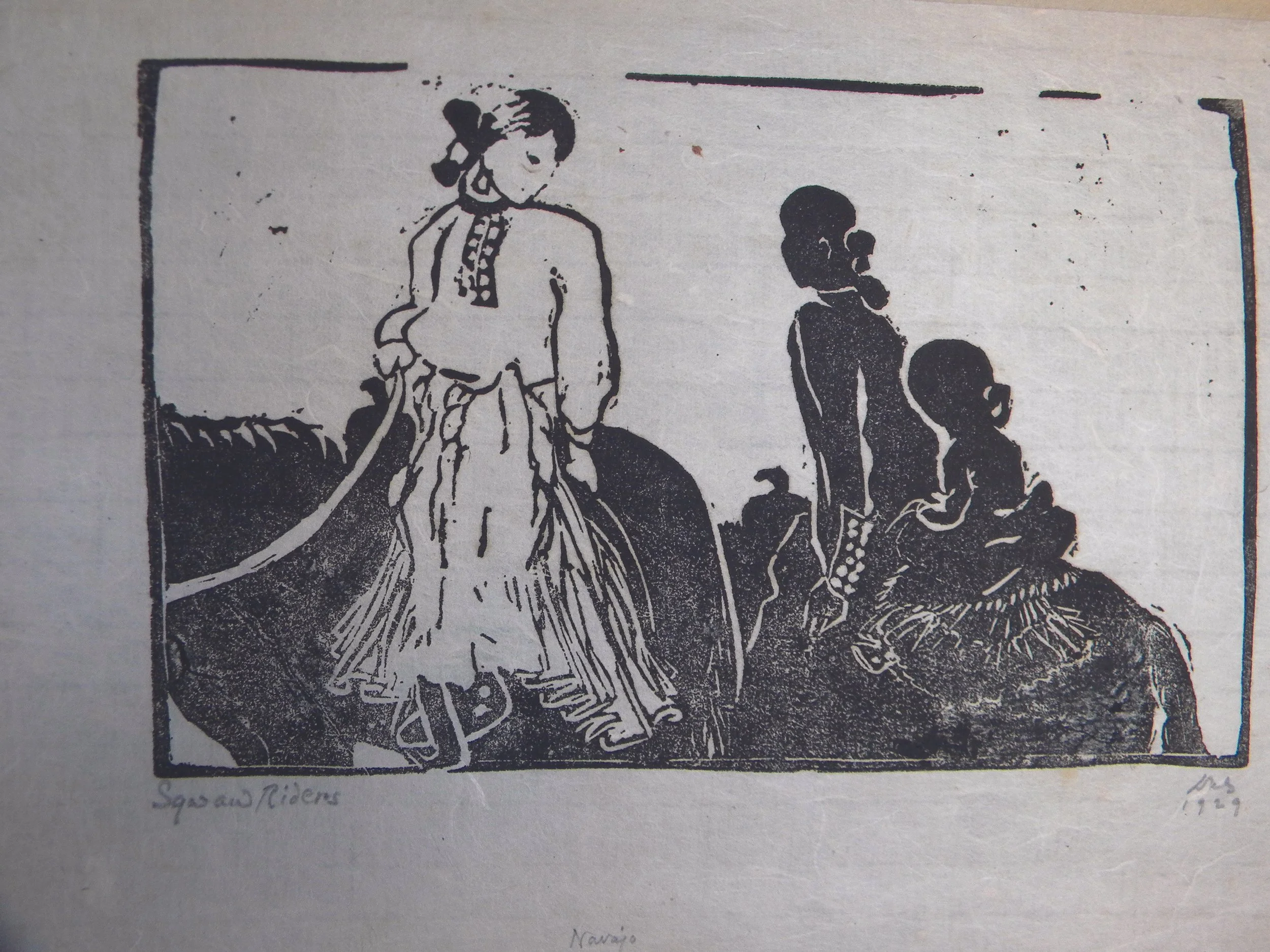
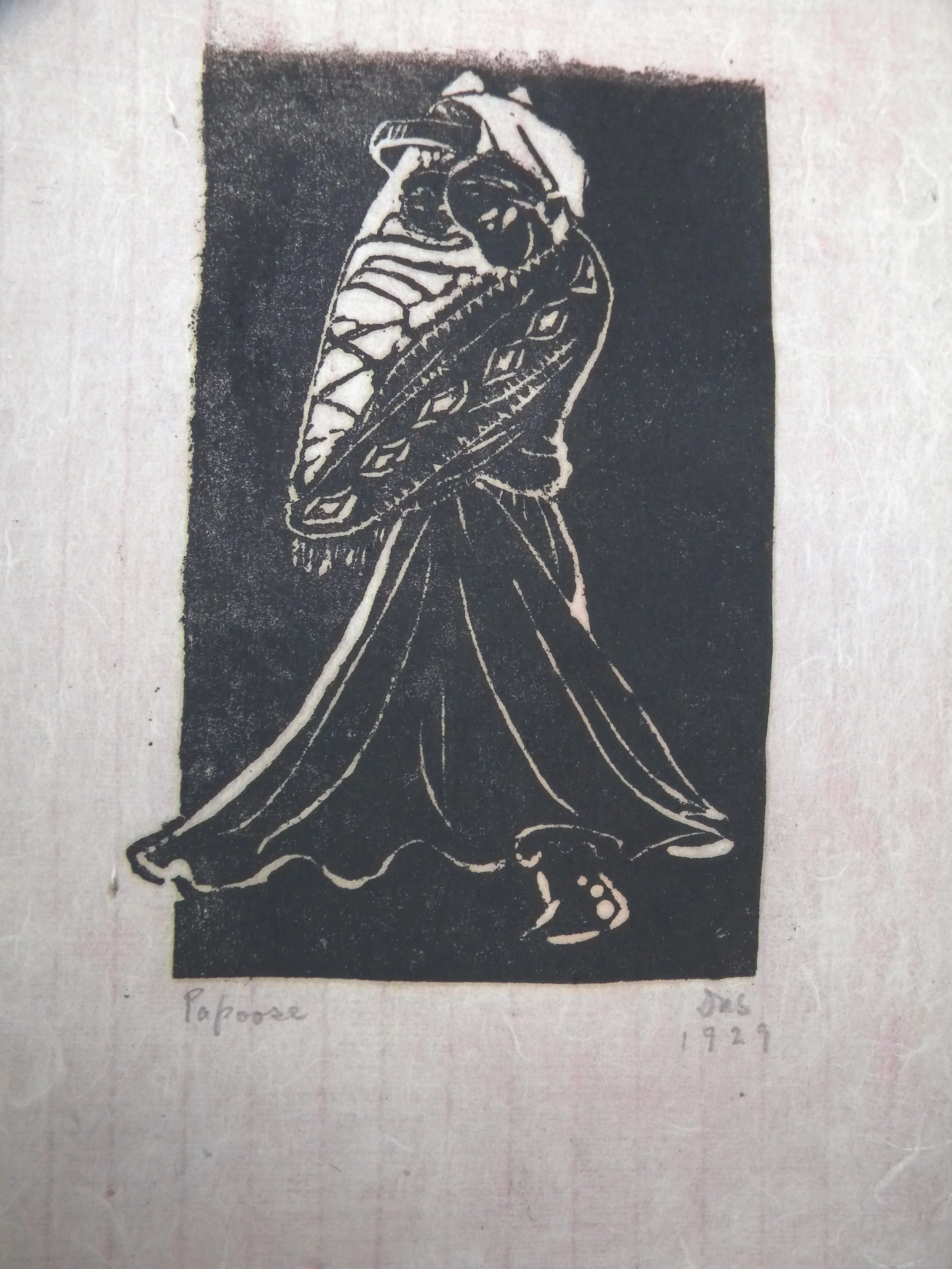
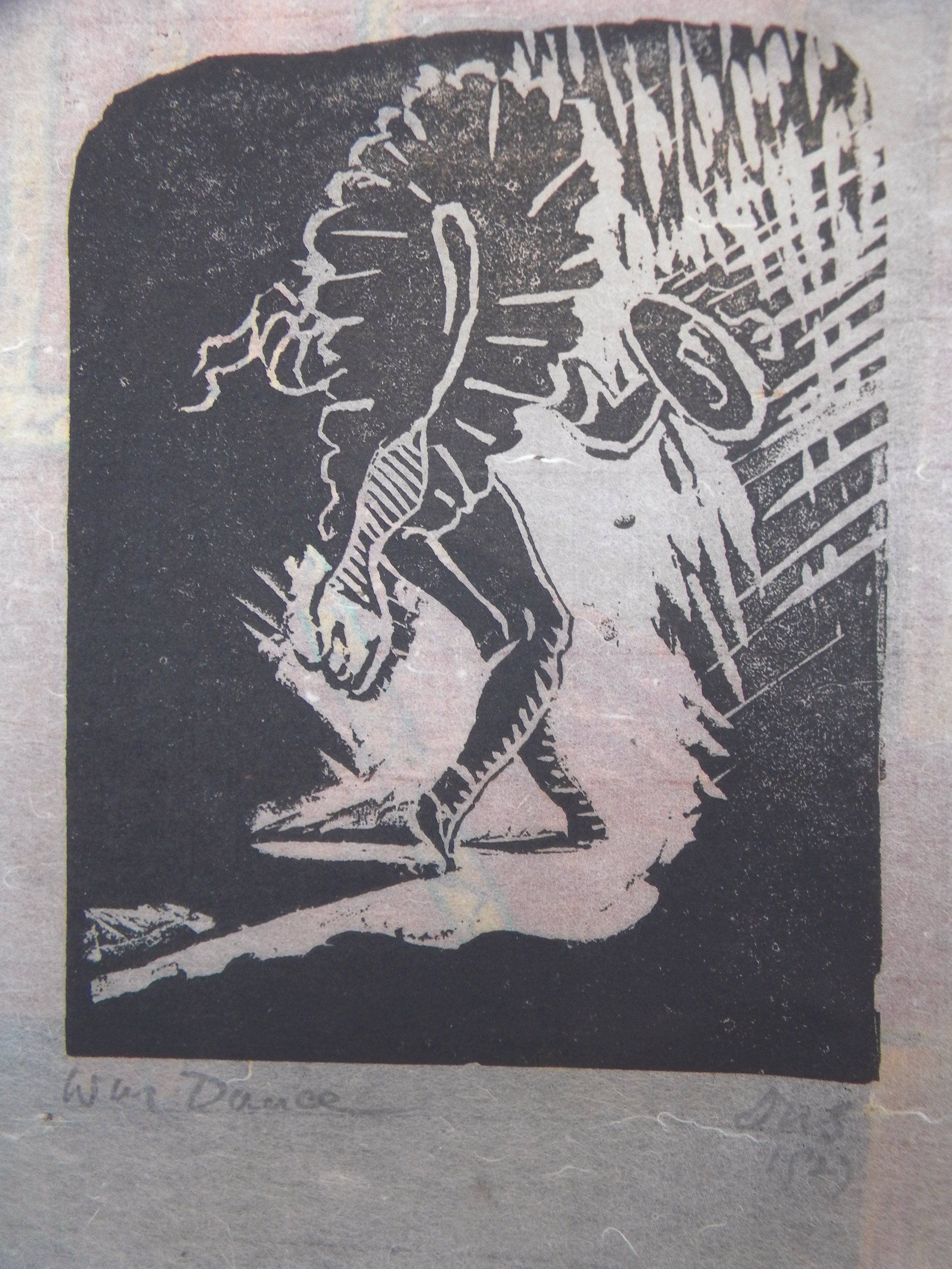
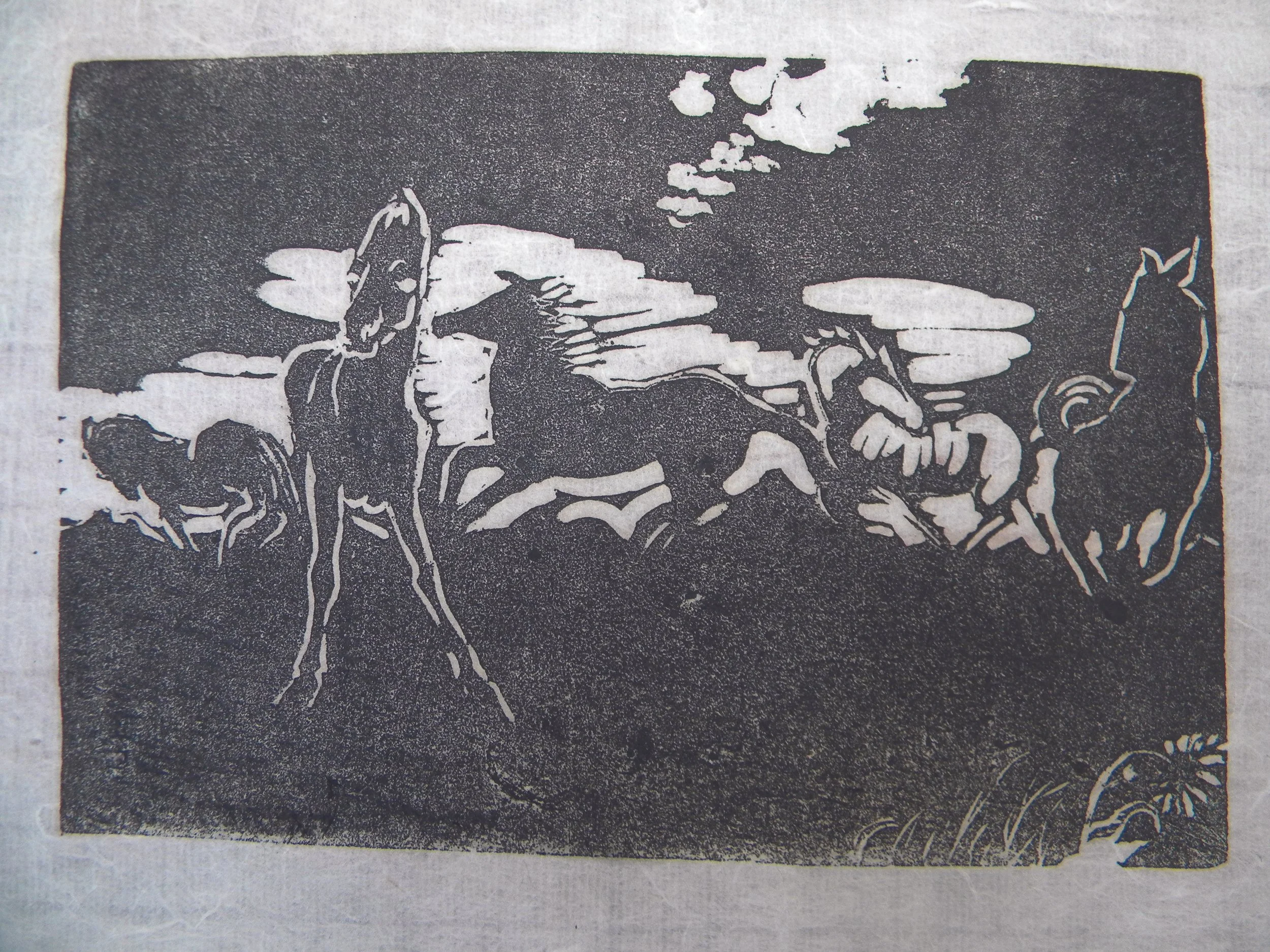
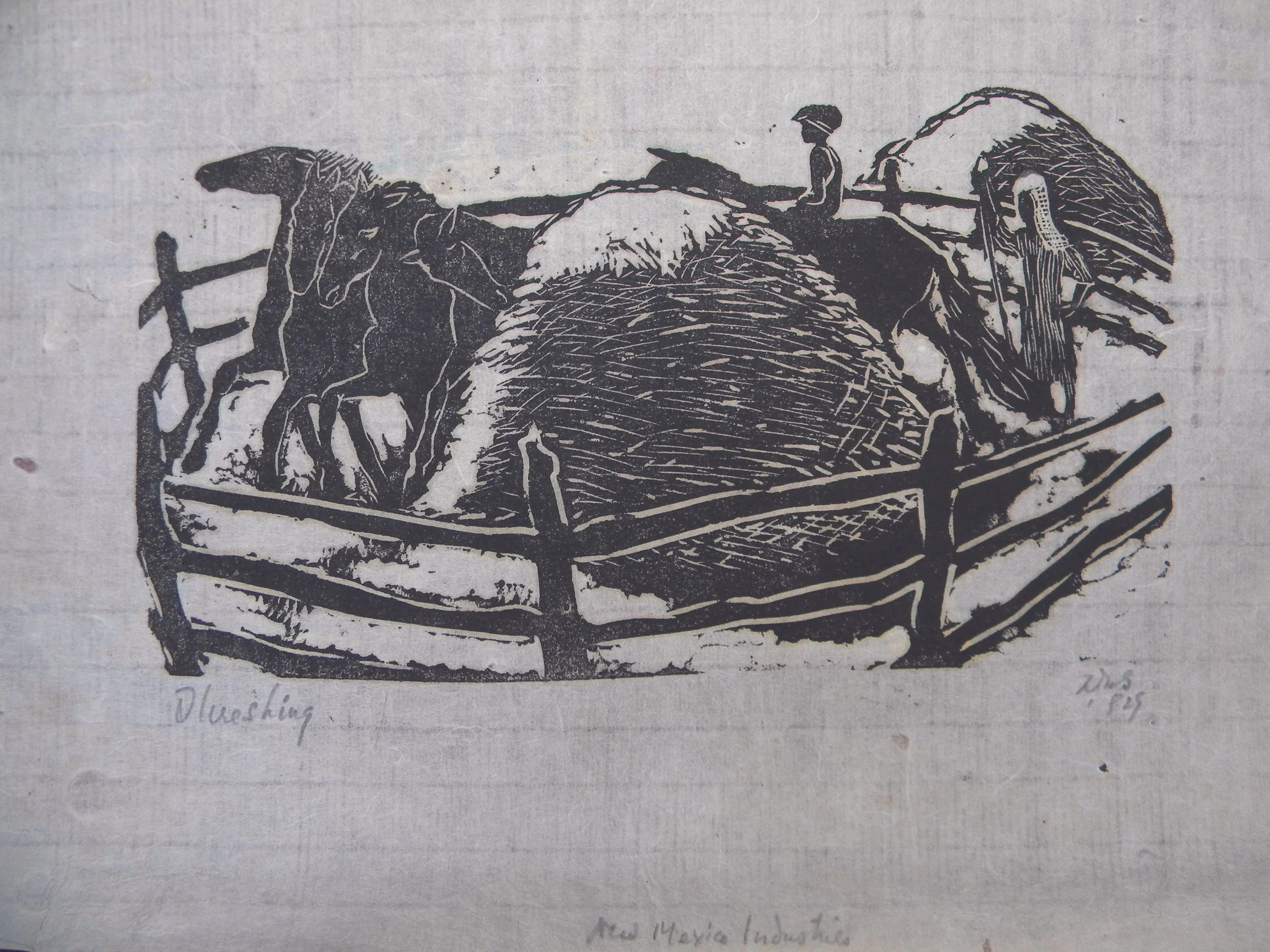
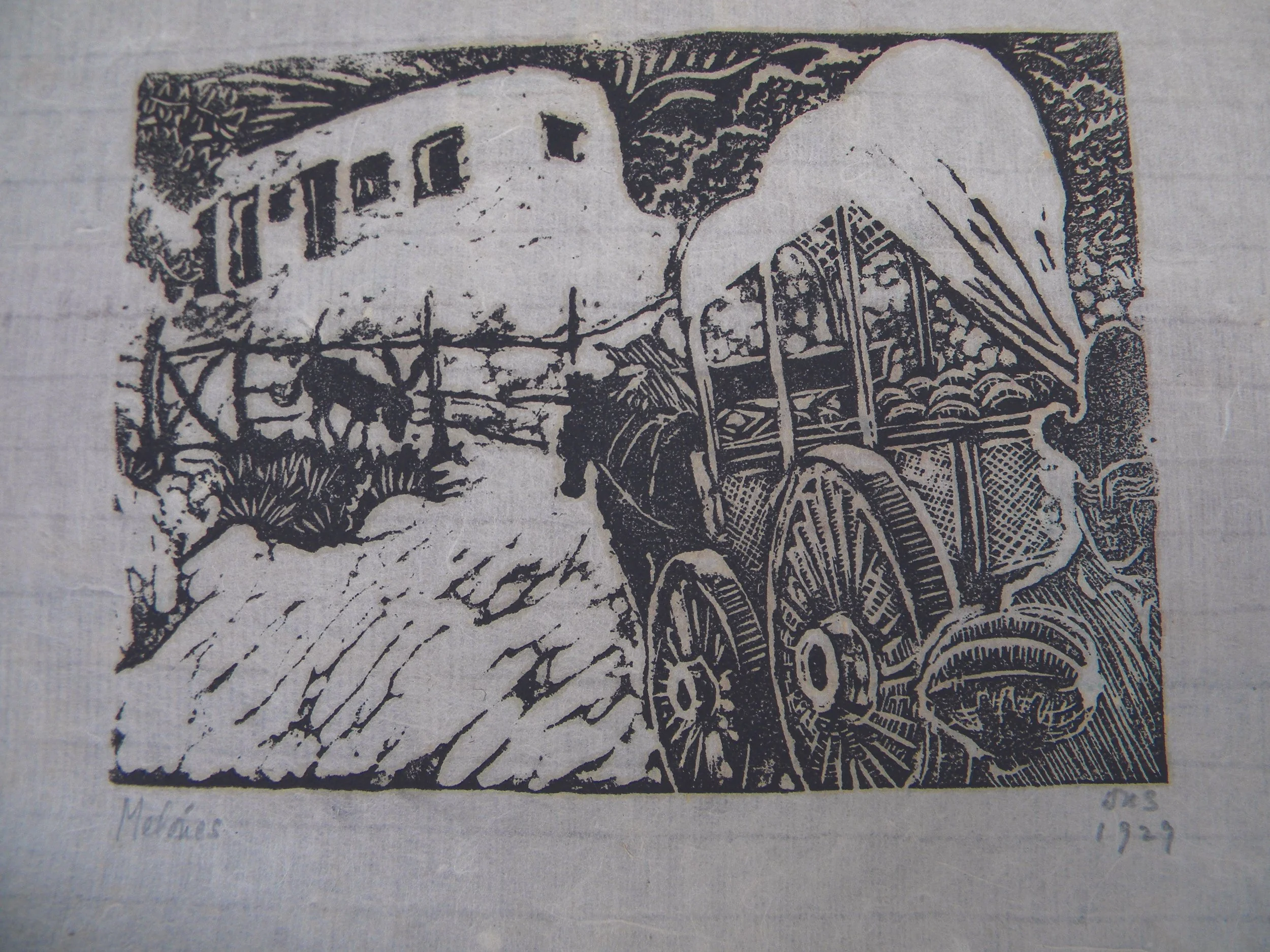
Between the late 1920s and early 1930s, Stewart departed from her classical training at the Pennsylvania Academy of the Fine Arts to experiment with new techniques, most notably, woodblock printing. Informed by her surroundings, she produced several distinct series’ of Southwest images:
Old Santa Fe and Old Mexico: Architectural studies focusing on the physical and spiritual "bones" of these environments, from hand-constructed adobe walls, churches, to troubadours in Mexican plazas.
Arizona Gardens: Botanical recordings of desert flora and fauna.
Pueblo and Navajo: A visual record of sacred ceremonies and daily Indigenous life, created at a time when photography was strictly prohibited during dances.
Southwest Industries: A focus on the hard-working farmers of New Mexicans, depicting the cultural work of the region: threshing with horses, weaving serapes, and the meticulous drying of chili crops.
Southwest Animals: Whimsical studies of familiar wildlife and domestic animals, emphasizing line and form.
Rather than striving for the picturesque, she used a minimalistic style to strip her subjects down to their essential geometry, infused with her notorious sense of playfulness. Her technique was exacting: she swabbed cold black ink onto marble slabs, rolled it smooth with a brayer, and pressed the images onto diaphanous paper. This created a stark, monochromatic impression of the Southwest on sheets of diaphanous Japanese paper, so thin they appeared almost translucent.
In May 2026, as part of a centennial celebration of the Stewart sisters arrival to Canyon Road, the Historic Santa Fe Foundation is hosting an exhibition featuring a collection of over twenty of Dorothy Stewart's prints, alongside a rare first edition of her books Hamlet and A Midsummer Night’s Dream. Crafted by hand from start to finish in her Pictograph Press studio between 1949 and 1950, these collector's items can be found in the Smithsonian, as well as museums and libraries around the country, showcase her unique ‘paper stage’ technique. Several paintings, including a depiction of a confirmation ceremony at the Cathedral Basilica of St. Francis of Assisi, will also be on display.
From the hand-mixed colors of her retelling of Hamlet to the simple, clean lines of her early works, the collection serves as a tribute to an artist who believed that the process was as significant as the product.